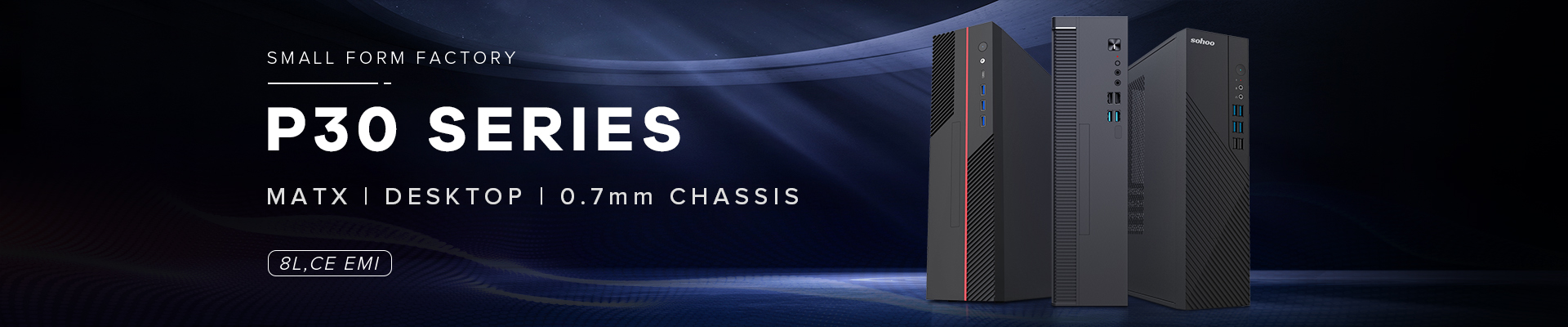
When building a compact PC, one of the first decisions you'll face is selecting the right case. The two popular options in this category are the Thin Mini ITX case and the Mini ITX case. While both are designed for smaller form factors, they cater to different needs and setups. Understanding the differences between the two will help you make the right choice for your build.
Thin Mini ITX Case: As the name suggests, Thin Mini ITX cases are thinner and more compact than standard Mini ITX cases. They are typically designed to be ultra-slim, often measuring only a few centimeters in thickness, making them ideal for space-constrained environments. These cases are perfect for HTPCs, workstations, or setups where the PC needs to blend seamlessly into small spaces, such as TV stands or behind monitors.
Mini ITX Case: Mini ITX cases are still compact but offer more internal space compared to Thin Mini ITX cases. The standard dimensions for a Mini ITX motherboard are 170mm x 170mm, but the case itself tends to be bulkier to accommodate larger components. Mini ITX cases can house more powerful hardware, such as higher-performance GPUs and advanced cooling systems, making them better suited for gaming and more demanding tasks.
Thin Mini ITX Case: Due to the slim profile, Thin Mini ITX cases typically have stricter hardware limitations. They are designed to work with Thin Mini ITX motherboards, which are smaller and often feature integrated components, like Wi-Fi and Bluetooth, to save space. These cases usually only support low-profile CPUs coolers and do not have room for full-sized graphics cards or many storage devices. Expansion is limited, which may restrict the choice of high-performance components.
Mini ITX Case: In contrast, standard Mini ITX cases offer more flexibility. Although still compact, they can accommodate full-size GPUs, higher-wattage power supplies (ATX or SFX), and larger CPU coolers. This makes them a more versatile option for building a powerful gaming PC or workstation in a smaller form factor. They also tend to have more expansion slots for storage devices and PCIe cards.
Thin Mini ITX Case: Due to the tight internal space, cooling options in Thin Mini ITX cases are limited. These cases often rely on low-profile CPU coolers or even fanless cooling in some instances, making them less suited for high-performance builds. If you need a silent and power-efficient system, such as for a home theater PC (HTPC), Thin Mini ITX cases are ideal. However, for high-performance applications, the limited cooling options may be a disadvantage.
Mini ITX Case: With a bit more room for airflow and more fan mounting options, Mini ITX cases generally have better cooling potential. Many Mini ITX cases support standard air cooling and even liquid cooling setups, allowing users to keep temperatures under control, even with high-performance hardware. This makes Mini ITX cases a better option for gaming or performance-intensive tasks that generate more heat.
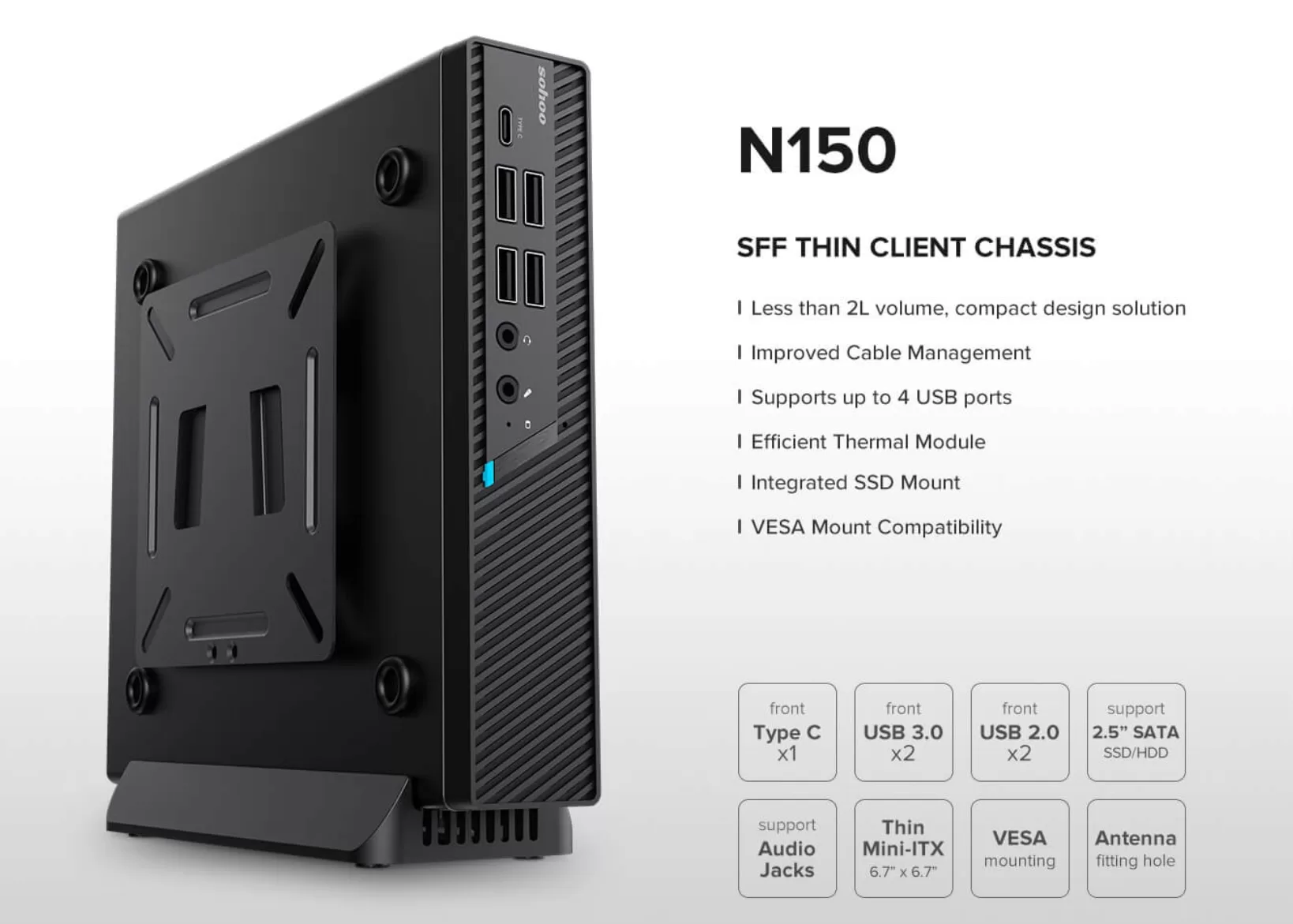
Thin Mini ITX Case: These cases are excellent for specific scenarios where space-saving and aesthetics are paramount. Common use cases include:
HTPCs (Home Theater PCs): Thin Mini ITX cases are perfect for small home theater setups where the PC can fit in tight spaces like TV cabinets.
Office or business setups: For users who need a simple, space-efficient workstation without needing high-end performance.
Fanless or quiet builds: Thin Mini ITX cases are often used for fanless PCs that generate very little noise, ideal for noise-sensitive environments.
Mini ITX Case: With more internal space and compatibility with a wider range of hardware, Mini ITX cases are more versatile and can be used for:
Compact gaming PCs: The ability to house a powerful GPU makes Mini ITX cases ideal for gaming setups in small spaces.
Portable workstations: Mini ITX cases are perfect for users who need a compact yet powerful workstation that can handle tasks like video editing, 3D rendering, and more.
DIY enthusiasts: If you want to build a custom PC with premium components but don’t want a large ATX case, Mini ITX is the go-to option.
Thin Mini ITX Case: Due to their small size, Thin Mini ITX cases usually support external power supplies (like laptop-style power bricks) or smaller internal units. This limits the total power output, making these cases unsuitable for high-performance systems requiring a lot of power.
Mini ITX Case: Mini ITX cases often support SFX or even ATX power supplies, providing enough power for high-end CPUs and GPUs. This allows for more powerful builds without compromising on performance.
Thin Mini ITX Case: These cases are generally priced lower due to their smaller size and fewer component options. However, the cost can vary depending on the build quality and additional features, such as premium materials or sleek designs.
Mini ITX Case: Mini ITX cases tend to be more expensive, as they offer more room for hardware and better cooling solutions. Additionally, many premium Mini ITX cases come with advanced features like tempered glass panels, modular designs, and support for liquid cooling, which drives up the cost.
The choice between a Thin Mini ITX case and a Mini ITX case depends on your specific needs and the type of system you plan to build.
Choose a Thin Mini ITX Case if: You need a compact, space-saving design for basic tasks like media consumption or light office work. These cases are ideal for users who prioritize aesthetics, portability, and low noise over raw performance.
Choose a Mini ITX Case if: You want a small but powerful PC for gaming, content creation, or more demanding tasks. With better hardware compatibility and more cooling options, Mini ITX cases provide the flexibility to build a high-performance system in a compact form factor.
Ultimately, both types of cases offer unique benefits, so your choice will depend on the balance between size, performance, and functionality that suits your needs.